
Best Seller
Loading
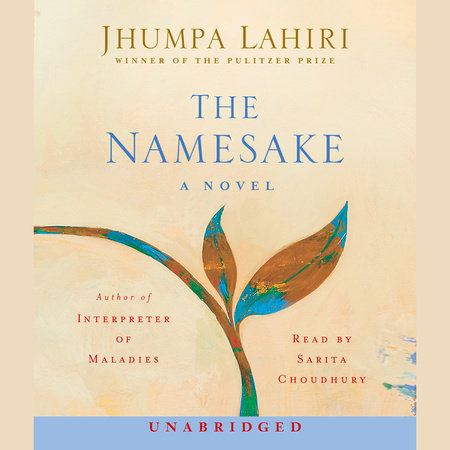
The Namesake
By Jhumpa LahiriRead by Sarita Choudhury
Audiobook Download
Published on Sep 16, 2003 | 10 Hours 10 Minutes



Author
Jhumpa Lahiri
JHUMPA LAHIRI, a bilingual writer and translator, is the Millicent C. McIntosh Professor of English and Director of Creative Writing at Barnard College, Columbia University. She received the Pulitzer Prize in 2000 for Interpreter of Maladies and is also the author of The Namesake, Unaccustomed Earth, and The Lowland. Since 2015, Lahiri has been writing fiction, essays, and poetry in Italian: In Altre Parole (In Other Words), Il Vestito dei libri (The Clothing of Books), Dove mi trovo (self-translated as Whereabouts), Il quaderno di Nerina, and Racconti romani. She received the National Humanities Medal from President Barack Obama in 2014, and in 2019 was named Commendatore of the Italian Republic by President Sergio Mattarella. Her most recent book in English, Translating Myself and Others, was a finalist for the PEN/Diamonstein-Spielvogel Award for the Art of the Essay. jhumpalahiri.net
Learn More about Jhumpa Lahiri QUICK VIEW
 QUICK VIEW
 QUICK VIEW
 QUICK VIEW
 QUICK VIEW
 QUICK VIEW
 QUICK VIEW
 QUICK VIEW
 QUICK VIEW
 QUICK VIEW