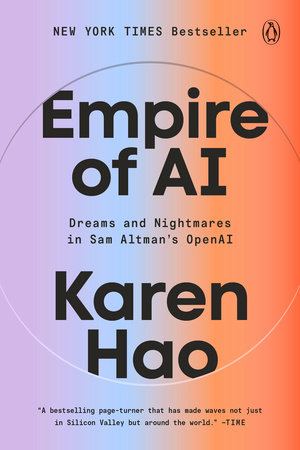
The little-known history of nuclear reactors in American life, and the role of public colleges in the Atomic Age.
In The Atom Goes to College, David Munns explores the creation and forgotten prominence of “teaching reactors,” nuclear reactors dedicated to education during the golden age of American atomic ambitions. From the 1950s to the 1970s, a generation took the science of the atom and made it into the engineering of the reactor. Across two dozen teaching reactors in colleges and universities, the new students of nuclear engineering learned to contain, control, and govern the atom.
Munns shows that teaching reactors stemmed from the agreement between American private interests and public universities to limit government control and secrecy over the atom. Teaching reactors warded off the threat of government-controlled atomic power by opening nuclear secrets to undergraduates, graduate students, and a growing international community of nuclear engineers. Over 150 nuclear engineering programs shaped attitudes toward the Atomic Age because teaching reactors were open educational facilities celebrated as accessible and visible in contrast to remote government labs doing classified work. Students witnessing the atom became a public-facing part of the atomic age, not secret but celebrated.







 QUICK VIEW