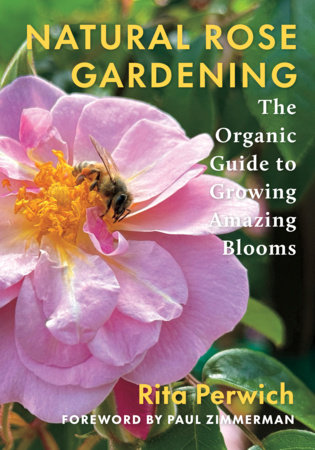
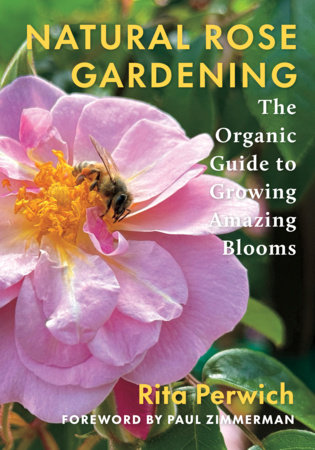
“A joy to read: engaging, encouraging, and highly educational with excellent photographs and solid scientific references. Natural Rose Gardening deserves to become the definitive book on common-sense, eco-friendly rose care, offering a philosophy that every gardener and garden society should embrace.”—Carrie Bergs, president-elect, American Rose Society
“A delight to read…[Natural Rose Gardening] is all about growing roses in a completely natural and environmentally friendly way as well as helping us realize what wonderful plants they are. I thoroughly recommend Natural Rose Gardening equally to the novice and the experienced rose gardener.”—Michael Marriott, chairman, Historic Roses Group; former senior rosarian, David Austin Roses; author of Roses
“In a clear, easy style, she explains each step of rose care and offers practical, pesticide-free solutions to common problems. Overall, Natural Rose Gardening is an encouraging guide for anyone considering roses.”—Satish Prabhu, MD, Master Rosarian, Life Judge, and top rose exhibitor, American Rose Society
“In Natural Rose Gardening, Rita Perwich reminds us that roses were never meant to be grown in isolation from nature. With wisdom, practicality, and insight from decades of experience, she shows gardeners how to cultivate beautiful roses organically and sustainably—without fear, chemicals, or unnecessary complexity. This book is both liberating and deeply encouraging for anyone who loves roses and the living world around them. It will help gardeners grow not only better roses, but better gardens.”—John Bagnasco, president and cohost, Garden America radio show; president, California Coastal Rose Society; chairman, Save the Roses!
“This may be the best all-around book on the market providing guidance and encouragement for home gardeners to grow beautiful roses in harmony with nature. I could not recommend it more highly.”—Suzanne M. Horn, national editor, New Horizon Roses
“Rita Perwich’s practical and philosophical style of growing roses optimizes nature-friendly gardening. I wholeheartedly agree with her approach and hope that every rose gardener reads this book and follows her lead.”—Jenny Rose Carey, author of The Ultimate Flower Gardener’s Guide
“Natural Rose Gardening is a treasure trove, offering a solid foundation for understanding the unique needs of these beloved flowers. Rita has thoughtfully crafted a guide that not only helps us care for our national floral emblem with precision but also encourages us to be mindful stewards of our evolving environment.”—Ruth Tiffany, Master Rosarian and award-winning rose exhibitor; district director, Pacific Southwest region of the American Rose Society
“An all-inclusive guide to growing and caring for roses without using chemical sprays or fertilizers. From basic information about selecting, planting, transplanting, watering, and pruning roses, to managing pests and diseases, to descriptions of rose fragrances and rose recipes to try, Rita shares the knowledge she has gained in her many years of growing roses and developing her award-winning garden.”—Carolyn Elgar, Master Rosarian, Orange County Rose Society







 QUICK VIEW