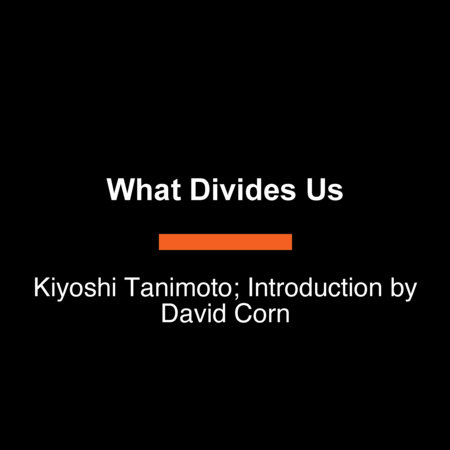
A newly discovered firsthand account of the Hiroshima bombing and its aftermath from one of the survivors—bringing unprecedented immediacy to our understanding of this world-changing event.
“A stunning historical discovery and a heartrending testimony.” —Kai Bird, Pulitzer Prize–winning coauthor of American Prometheus
At approximately 8:15 on the morning of August 6, 1945, Kiyoshi Tanimoto was on the outskirts of Hiroshima when a flash in the sky signaled the birth of a horrifying new world. In an instant, tens of thousands of Hiroshima residents had been vaporized or crushed to death.
As Tanimoto, a thirty-six-year-old Methodist minister, raced back to the city center in search of his wife and infant daughter, he encountered unimaginable devastation: structures leveled; fires everywhere; uncountable injured suffering from burns, broken bones, and the effects of radiation. In the days, weeks, and months that followed this unprecedented humanitarian catastrophe, he invested body and soul in helping his living congregants obtain food, shelter, and medical care, as well as identifying and burying with as much dignity as possible those who had perished. He dedicated himself to rebuilding not only his church, but his city and his nation.
Tanimoto went on to gain renown as one of the survivors featured in John Hersey’s New Yorker piece and book, Hiroshima, which changed the American public’s understanding of the event. But Tanimoto also wrote his own story. Hiroshima, 8:15 is Tanimoto’s never-before-published firsthand account of the bombing of Hiroshima, written in the immediate aftermath, in his own words.
This singular memoir is both an invaluable addition to the historical record and an urgent eyewitness testimony of one of the most calamitous events to befall humanity. At a time when the threat of nuclear war still looms, Tanimoto’s message of peace, and his vision of a better path forward for humankind, is of vital importance.








 QUICK VIEW