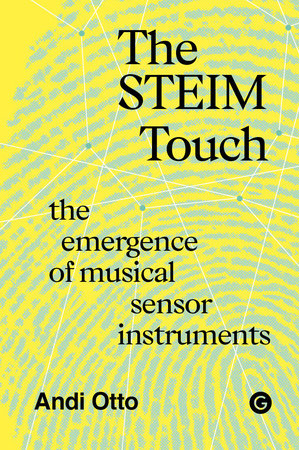
The story of STEIM and the first sensor instruments in digital music.
The STEIM foundation in Amsterdam was a music studio radically dedicated to the live, physical performance of electronic sound. From 1969 to 2021, the Studio for Electro-Instrumental Music supported artists in building new instruments, insisting on tangible, hands-on engagements with electronic sound.
This book provides a comprehensive overview of STEIM’s work, drawing on original interviews and extensive primary source research in the archive of its longtime artistic director, Michel Waisvisz (1949–2008). It traces the studio’s evolution from its roots in the anarchic, situationist spirit of 1960s Amsterdam to the famous Cracklebox and to a long line of pioneering developments in sensor-based instruments between 1984 and 2000.
A primary focus is Waisvisz’s landmark instrument The Hands (1984)—the world’s first sensor-based gestural controller—and the SensorLab platform it inspired. This emerging expertise fueled an international artist-in-residence programme, attracting figures like Jon Rose, Nicolas Collins, or Laetitia Sonami among many others and fostering a global wave of experimental instrument design.
The common thread through this history is a paradigm called Touch, which championed musicians’ embodied presence over automation and predefined control. By documenting the pursuits of immediacy within highly mediated technologies, The STEIM Touch offers a crucial historical lens for today’s ongoing negotiations between artificiality and physicality in music creation.







 QUICK VIEW