Praise for previous translations by Richard Pevear and Larissa Volokhonsky, winners of the PEN/Book-of-the-Month Club Prize
The Brothers Karamazov
“One finally gets the musical whole of Dostoevsky’s original.” –New York Times Book Review
“It may well be that Dostoevsky’s [world], with all its resourceful energies of life and language, is only now–and through the medium of [this] new translation–beginning to come home to the English-speaking reader.” –New York Review of Books
Crime and Punishment
“The best [translation] currently available…An especially faithful re-creation…with a coiled-spring kinetic energy… Don’t miss it.” –Washington Post Book World
“Reaches as close to Dostoevsky’s Russian as is possible in English…The original’s force and frightening immediacy is captured…The Pevear and Volokhonsky translation will become the standard version.” –Chicago Tribune
Demons
“The merit in this edition of Demons resides in the technical virtuosity of the translators…They capture the feverishly intense, personal explosions of activity and emotion that manifest themselves in Russian life.” –New York Times Book Review
“[Pevear and Volokhonsky] have managed to capture and differentiate the characters’ many voices…They come into their own when faced with Dostoevsky’s wonderfully quirky use of varied speech patterns…A capital job of restoration.” –Los Angeles Times
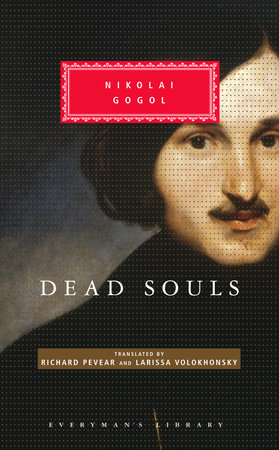
With an Introduction by Richard Pevear







 QUICK VIEW