

Best Seller
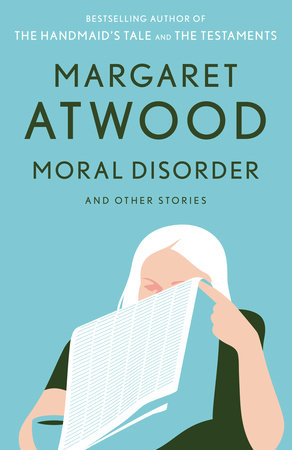
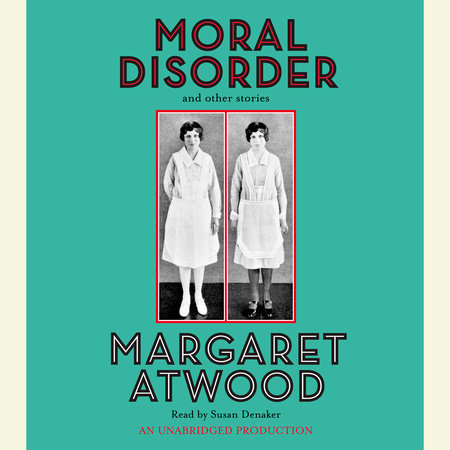
Moral Disorder and Other Stories
Audiobook Download
Published on Sep 19, 2006 | 7 Hours 42 Minutes



Author
Margaret Atwood
MARGARET ATWOOD is the author of more than fifty books of fiction, poetry, and critical essays. Her novels include Cat’s Eye, The Robber Bride, Alias Grace, The Blind Assassin, and the MaddAddam trilogy. Her 1985 classic, The Handmaid’s Tale, was followed in 2019 by a sequel, The Testaments, which was a global number one bestseller and won the Booker Prize. Atwood has won numerous awards, including the Arthur C. Clarke Award for Imagination in Service to Society, the Franz Kafka Prize, the Peace Prize of the German Book Trade, the PEN America Lifetime Achievement Award, and the Dayton Literary Peace Prize. In 2019, she was made a member of the Order of the Companions of Honour for services to literature. She lives in Toronto.
Learn More about Margaret Atwood QUICK VIEW
 QUICK VIEW
 QUICK VIEW
 QUICK VIEW
 QUICK VIEW
 QUICK VIEW
 QUICK VIEW
 QUICK VIEW
 QUICK VIEW
 QUICK VIEW