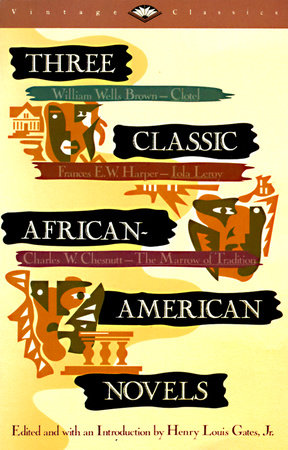
Charles W. Chestnutt (1858–1932) was born in Cleveland, Ohio, where his family had moved from Fayettefille, North Carolina, to seek better economic opportunities. Shortly after the Civil War, they returned to Fayetteville, where Chesnutt spent most of his childhood and young adulthood. He taught in local public schools, eventually returning to Cleveland and being admitted to the bar. He established a legal stenography business yet found himself strongly attracted to writing fiction. He published two collections of short stories, The Conjure Woman and The Wife of His Youth and Other Stories of the Color Line (1890) and three widely reviewed novels, The House Behind the Cedars (1900), The Marrow of Tradition (1901), and The Colonel’s Dream (1905), while devoting essays and speeches to agitation for civil rights for African Americans, especially in the South. Unable to support his family as a full-time writer, he resumed his business career but maintained until his death a respected role in African American letters.
Learn More about Charles W. Chesnutt







 QUICK VIEW