A selection of poems from one of the nineteenth century’s greatest French writers
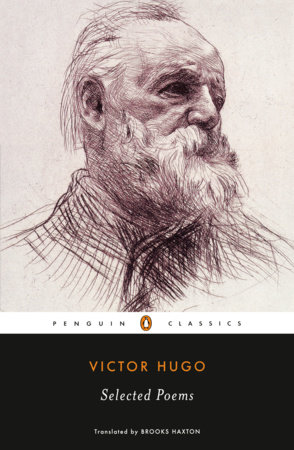
For most of his life, Victor Hugo (1802-1885) was the most famous writer in the world. His legacy includes celebrated works of drama, fiction, memoir, and criticism. But in his day Hugo was known foremost as a poet—indeed the greatest French poet of the age. He wrote with passion about history, sensual experience, familial love, philosophy, nature, social justice, art, and mysticism.
In this bicentennial edition, acclaimed poet and translator Brooks Haxton offers an exquisite selection of Hugo’s finest work: love poems, historical tableaux, elegy, and idyll, including his incomparable “Boaz Asleep,” which Marcel Proust praised as the most beautiful poem of the nineteenth century.
Penguin Classics is the leading publisher of classic literature in the English-speaking world, representing a global bookshelf of the best works throughout history and across genres and disciplines. Readers trust the series to provide authoritative texts enhanced by introductions and notes by distinguished scholars and contemporary authors, as well as up-to-date translations by award-winning translators.





 QUICK VIEW