Depicting one man’s transformation and descent into brutality, H.G. Wells’s The Invisible Man is a riveting exploration of science’s power to corrupt
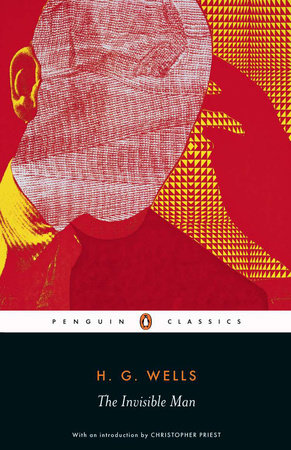
With his face swaddled in bandages, his eyes hidden behind dark glasses and his hands covered even indoors, Griffin – the new guest at The Coach and Horses – Is at first assumed to be a shy accident-victim. But the true reason for his disguise is far more chilling: he has developed a process that has made him invisible, and is locked in a struggle to discover the antidote. Forced from the village and driven to murder, he seeks the aid of his old friend Kemp. The horror of his fate has affected his mind, however – and when Kemp refuses to help, Griffin resolves to wreak his revenge. This edition includes a full biographical essay on Wells, a further reading list and detailed notes on the text. In his introduction, Christopher Priest considers the novel’s impact upon modern literature.
For more than seventy years, Penguin has been the leading publisher of classic literature in the English-speaking world. With more than 1,700 titles, Penguin Classics represents a global bookshelf of the best works throughout history and across genres and disciplines. Readers trust the series to provide authoritative texts enhanced by introductions and notes by distinguished scholars and contemporary authors, as well as up-to-date translations by award-winning translators.







 QUICK VIEW