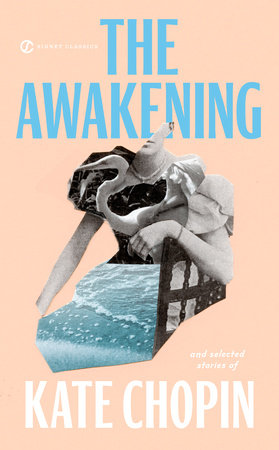
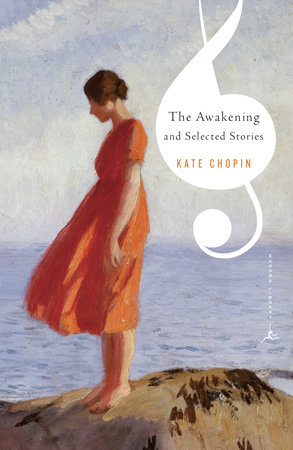
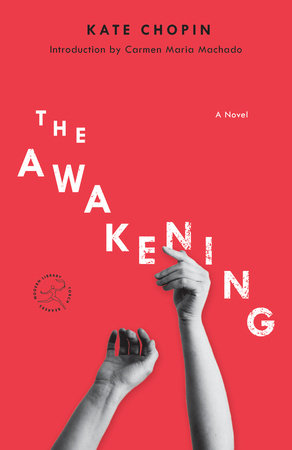
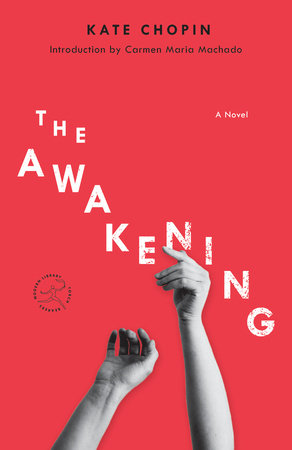
A new edition of Kate Chopin’s controversial masterpiece, an essential novel in the canon of early feminism—with an introduction by Carmen Maria Machado, award-winning author of Her Body and Other Parties.
“Whatever came, she had resolved never again to belong to another than herself.”
With its forthright treatment of sex and depression, The Awakening, first published in 1899, was so shocking to turn-of-the-century readers that it was neglected for decades. Rediscovered in the 1960s, this brief, beautiful novel is considered a landmark of early feminism. It is the story of Edna Pontellier, a twenty-eight-year-old wife and mother of two who—with devastating consequences—rejects her conventional married life for a transgressive path of self-discovery.
Edna is vacationing with her husband and children on the Louisiana Gulf Coast when she meets and falls in love with the passionate, impulsive Robert Lebrun. Afterward, Edna can no longer find meaning and satisfaction in her comfortable domestic life and moves out, alone. Her tragic quest for personal, creative, and erotic freedom is at the heart of this now-classic novel which captures women’s desires with extraordinary frankness, sympathy, and intensity.
The Modern Library Torchbearers series features women who wrote on their own terms, with boldness, creativity, and a spirit of resistance.






 QUICK VIEW