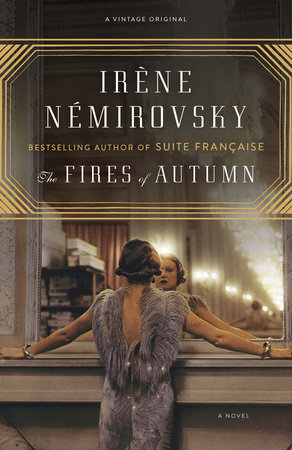
This panoramic exploration of French life between the wars reads like a prequel to Irène Némirovsky’s international bestseller Suite Française.
At the end of the First World War, Bernard Jacquelain returns from the trenches a changed man. Broken by the unspeakable horrors he has witnessed, he becomes addicted to the lure of wealth and success. He wallows in the corruption and excess of post-war Paris, but when his lover abandons him, Bernard turns to a childhood friend for comfort. For ten years, he lives the good bourgeois life, but when the drums of war begin to sound again, everything around which he has rebuilt himself starts to crumble, and the future—of his marriage and of his country—suddenly becomes terribly uncertain.
Written after Némirovsky fled Paris in 1940, just two years before her death, and first published in France in 1957, The Fires of Autumn is a coruscating, tragic novel of war and its aftermath, and of the ugly color it can turn a man’s soul.







 QUICK VIEW