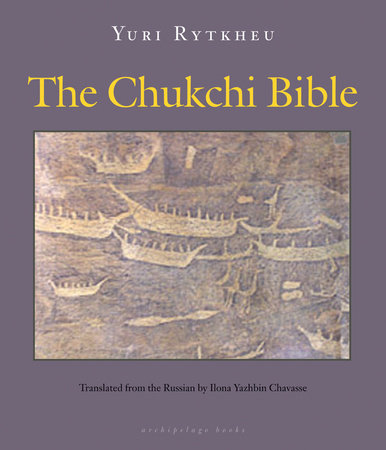
A last, ringing testament to Rytkheu’s people: a reworking of their myths, their history, and his own ancestry, in a poetic act of reclamation. . . Rich in the texture and detail of past lives. —The New York Review of Books
Breathtaking, wild, and imaginative . . . so clear, surefooted, vivid and confident . . . They describe the marking of the seasons — the breaking ice, changing light, frost and drift . . . the training of shamans; the passing on of rituals and healing skills. —The Los Angeles Times
An extended epitaph inscribed on the tombstone of a small nationality. . . . [with] an indigenous genesis myth, a fall from grace and fratricide legends, a Chukchi Deuteronomy, and a prophet-like figure. . . . [with] a heightened sense of nostalgia and . . . the full range of Rytkheu’s style, from the lyrical prose of his myths and legends to the down-to-earth idiom of European whalers and merchants. —World Literature Today
This story by Yuri Rytkheu is a love song to human survival, both physical and metaphysical, a true story about change and endurance, about the Essential way to live in the world, about the eternal story while recounting the fleeting one. —Gioia Timpanelli
Yuri writes with passion, strength, and beauty of a world we others have never understood. A splendid book. —Farley Mowat






 QUICK VIEW