

Best Seller
Paperback
$25.00
Published on Jul 31, 1997 | 352 Pages

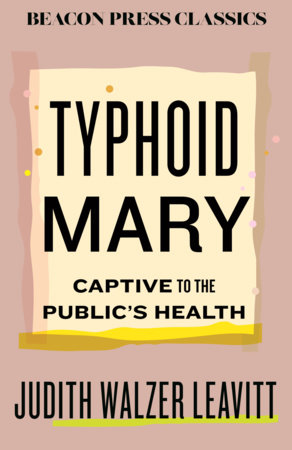
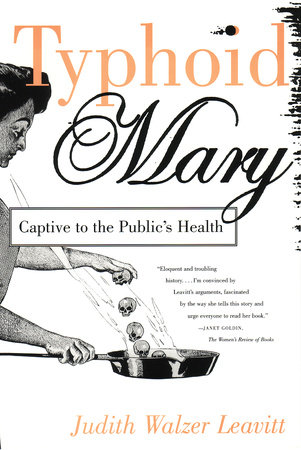
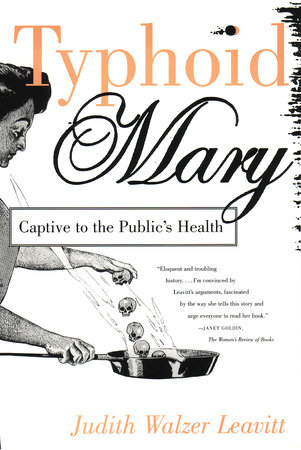
Discover the forgotten story of Mary Mallon—the real Typhoid Mary—in this humanizing portrait offering a window into the ethical dilemmas of public health policy that continue to haunt us in the COVID era.
She was an Irish immigrant cook. Between 1900 and 1907, she infected 22 New Yorkers with typhoid fever through her puddings and cakes; one of them died. Tracked down through epidemiological detective work, she was finally apprehended as she hid behind a barricade of trashcans. To protect the public’s health, authorities isolated her on Manhattan’s North Brother Island, where she died some 30 years later.
This book tells the remarkable story of Mary Mallon—the real Typhoid Mary. Combining social history with biography, historian Judith Leavitt re-creates early 20th-century New York City, a world of strict class divisions and prejudice against immigrants and women. Leavitt engages the reader with the excitement of the early days of microbiology and brings to life the conflicting perspectives of journalists, public health officials, the law, and Mary Mallon herself.
Leavitt’s readable account illuminates dilemmas that continue to haunt us in the age of COVID-19. To what degree are we willing to sacrifice individual liberty to protect the public’s health? How far should we go? For anyone who is concerned about the threats and quandaries posed by new epidemics, Typhoid Mary is a vivid reminder of the human side of disease and disease control.
She was an Irish immigrant cook. Between 1900 and 1907, she infected 22 New Yorkers with typhoid fever through her puddings and cakes; one of them died. Tracked down through epidemiological detective work, she was finally apprehended as she hid behind a barricade of trashcans. To protect the public’s health, authorities isolated her on Manhattan’s North Brother Island, where she died some 30 years later.
This book tells the remarkable story of Mary Mallon—the real Typhoid Mary. Combining social history with biography, historian Judith Leavitt re-creates early 20th-century New York City, a world of strict class divisions and prejudice against immigrants and women. Leavitt engages the reader with the excitement of the early days of microbiology and brings to life the conflicting perspectives of journalists, public health officials, the law, and Mary Mallon herself.
Leavitt’s readable account illuminates dilemmas that continue to haunt us in the age of COVID-19. To what degree are we willing to sacrifice individual liberty to protect the public’s health? How far should we go? For anyone who is concerned about the threats and quandaries posed by new epidemics, Typhoid Mary is a vivid reminder of the human side of disease and disease control.
Author
Judith Walzer Leavitt
Judith Walzer Leavitt is a professor at University of Wisconsin—Madison specializing in medical history and women’s studies. Her published works include Typhoid Mary: Captive to the Public’s Health; Make Room for Daddy: The Journey from Waiting Room to Birthing Room; and Brought to Bed: Childbearing in America, 1750-1950. Leavitt studied at Antioch College and University of Chicago.
Learn More about Judith Walzer LeavittYou May Also Like
On Democracy
Trade Paperback
$12.50
Silent Monoliths
Hardcover
$39.95
Stand Your Ground
Trade Paperback
$19.95
Brought Forth on This Continent
Trade Paperback
$22.00
The Writings of Thomas Smallwood
Trade Paperback Original
$17.00
Counterculture
Trade Paperback
$21.00
Bernie for Burlington
Hardcover
$35.00
A Protest History of the United States
Trade Paperback
$21.95
The Testimony of Henry Adams, Freedman
Hardcover
$29.95
×