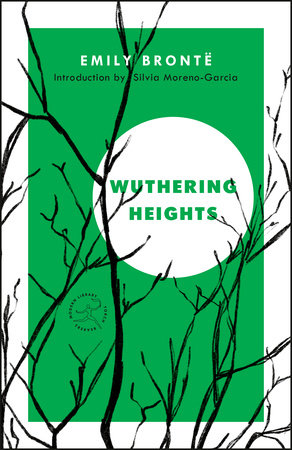
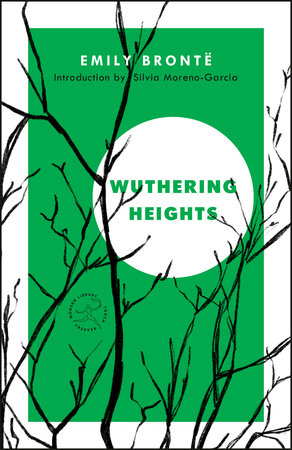
The classic tale of tormented love and the inexorable pull of the past, from one of history’s greatest literary talents, with an introduction by Silvia Moreno-Garcia, New York Times bestselling author of Mexican Gothic
When young orphan Heathcliff is adopted by a wealthy gentleman, he quickly forms a close bond with his benefactor’s daughter, Cathy. But over the years, their childhood friendship morphs into a desperate, twisted, possessive love, as they wrestle with the violent and tyrannical rule of Cathy’s brother and the confines of social class that keep them apart. What follows is an ingenious and darkly captivating narrative of frustrated passion and tortured heartbreak reverberating through the generations, wrought with all the brutality, power, and wildness of the Yorkshire moors.
With striking force, Emily Brontë’s mesmerizing prose claws at the nature of human folly, defying the gender, religious, and social mores of its day. Wuthering Heights is a transcendent, mystifying masterpiece that examines the cruelty of love, and the ways in which the past, scratching at a windowpane with ghostly fingers, never lets us go.
The Modern Library Torchbearers series features women who wrote on their own terms, with boldness, creativity, and a spirit of resistance.






 QUICK VIEW