
Best Seller
Part of Modern Library 100 Best Nonfiction Books
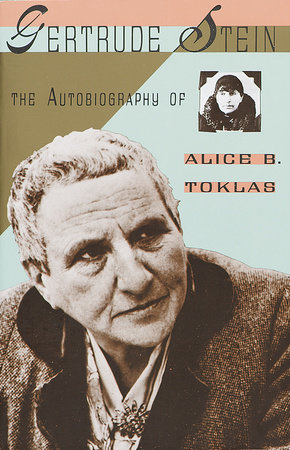
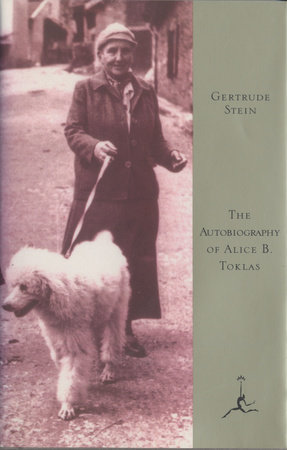
The Autobiography of Alice B. Toklas
Ebook
Published on Nov 01, 2000 | 256 Pages



Author
Gertrude Stein
Gertrude Stein was born in Allegheny, Pennsylvania, on February 3, 1874. At Radcliffe College she studied under William James, who remained her lifelong friend, and then went to Johns Hopkins to study medicine. Abandoning her studies, she moved to Paris with her brother Leo in 1903. At 27 rue de Fleurus, Gertrude Stein lived with Alice B. Toklas, who would remain her companion for 40 years. Not only was she an innovator in literature and a supporter of modern poetry and art, she was the friend and mentor of those who visited her at her now-famous home: Pablo Picasso, Henri Matisse, Jean Cocteau, Ernest Hemingway, F. Scott Fitzgerald, Sherwood Anderson, and Guillaume Apollinaire. Her body of work include Three Lives, Tender Buttons, The Making of Americans, and The Autobiography of Alice B. Toklas.
Learn More about Gertrude Stein QUICK VIEW
 QUICK VIEW
 QUICK VIEW
 QUICK VIEW
 QUICK VIEW
 QUICK VIEW
 QUICK VIEW
 QUICK VIEW
 QUICK VIEW