


Best Seller
Loading
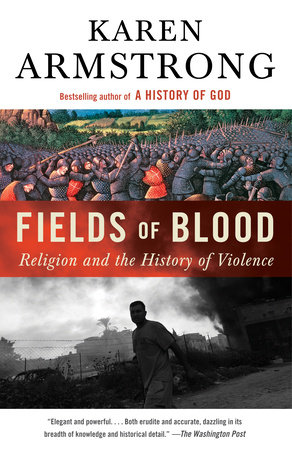
Fields of Blood
Paperback
$20.00
Published on Sep 15, 2015 | 528 Pages



Author
Karen Armstrong
KAREN ARMSTRONG is the author of numerous books on religious affairs, including The Case for God, A History of God, The Battle for God, Holy War, Islam, Buddha and The Great Transformation, as well as a memoir, The Spiral Staircase. Her work has been translated into forty-five languages. In 2008 she was awarded the TED Prize and began working with TED on the Charter for Compassion, created online by the general public, and crafted by leading thinkers in Judaism, Christianity, Islam, Hinduism, Buddhism and Confucianism. The charter was launched globally in the fall of 2009. In 2013 Armstrong was awarded the British Academy’s inaugural Nayef Al-Rodhan Prize for Global Cultural Understanding and in 2017 the Princess of Asturias Prize for Social Sciences. She lives in London.
Learn More about Karen Armstrong QUICK VIEW
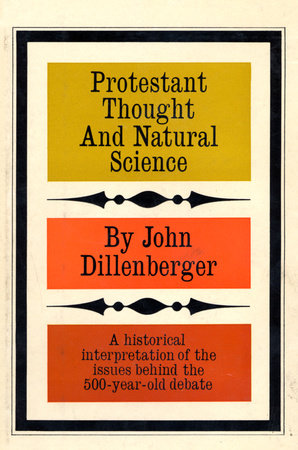 QUICK VIEW
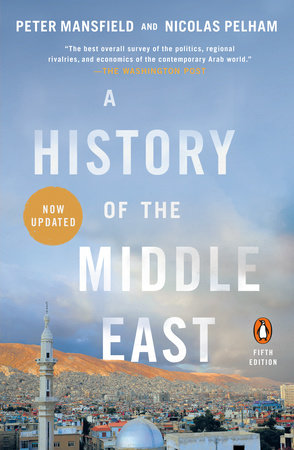 QUICK VIEW
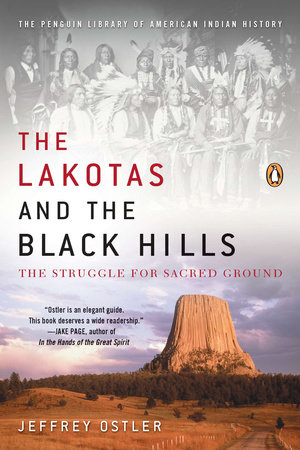 QUICK VIEW
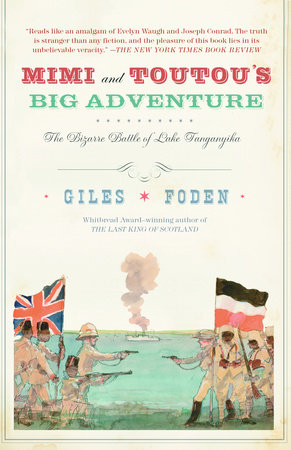 QUICK VIEW
 QUICK VIEW
 QUICK VIEW
 QUICK VIEW
 QUICK VIEW
 QUICK VIEW